
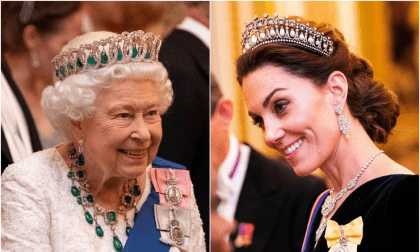
Initially, the jewelry transfer appeared to be quiet, without any formal announcements or official images. Observers only noticed subtle hints of familiar pieces: a sparkling brooch here, a historic necklace there. However, insiders believe these seemingly harmless transfers carry profound significance. For decades, these jewels were more than mere ornaments; they were symbols of trust, continuity, and the late Queen's personal approval. Each piece was a testament to time, loyalty, and service to the crown.
The late Queen Elizabeth II was renowned for her meticulous jewelry selection, often bestowing pieces upon those she deemed worthy. The act of handing these treasures over to Catherine was not simply a transfer of ownership; it symbolized a deep trust and recognition of Catherine's role within the royal family.
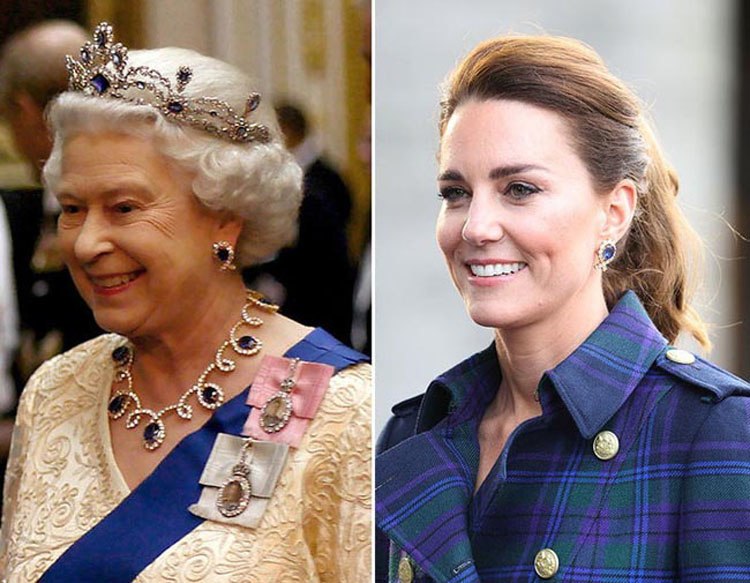
Sources close to the royal family say Queen Camilla had high hopes for certain pieces of jewelry that she believed would solidify her position and influence within the monarchy. However, the late Queen's decisions seem to have led in a different direction, resulting in a realization that has left Camilla both heartbroken and angry. The jewels, once seen as tools to solidify her status, have now become a source of division.
The emotional weight of this legacy cannot be underestimated. As the new heir to these pieces, Catherine is not simply stepping into a role; she is navigating a complex web of family relationships and historical expectations. The jewels carry the legacy of the late Queen, and their transfer to Catherine may signal a shift in the balance of power within the royal family.
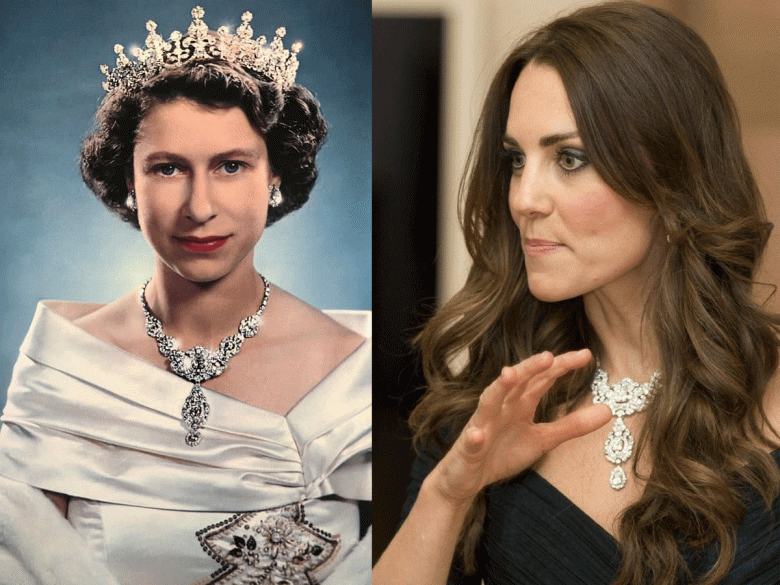
The question everyone is asking is: why did Queen Elizabeth II choose Princess Catherine to inherit this collection? Sources suggest that the late Queen's decision was not arbitrary but a calculated move, speaking volumes about her vision for the future of the monarchy. By bequeathing these precious items to Catherine, the Queen may have wanted to demonstrate her approval and trust in Catherine's ability to uphold royal traditions and values.
This choice also raises questions about timing. With the monarchy facing numerous challenges in recent years, including public scrutiny and the changing roles of members of the royal family, the late Queen's decision may have reflected a desire for continuity and stability. By associating Catherine with this legacy, the Queen may have aimed to reinforce the importance of the monarchy in modern society.
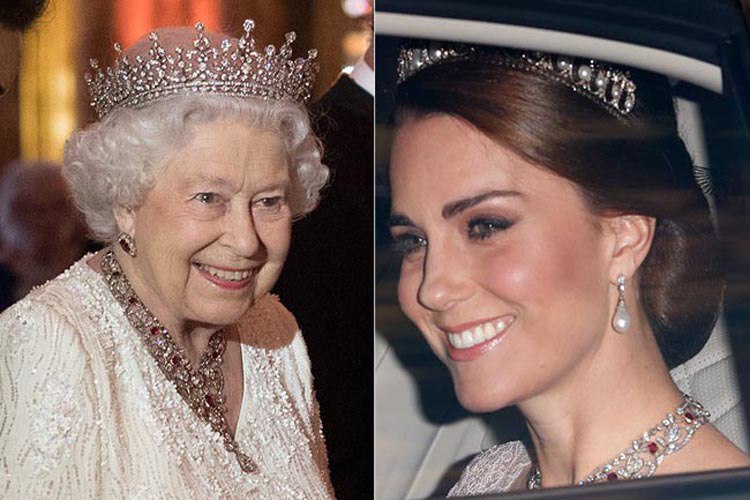
As the implications of this inheritance become clear, tensions within the royal family are believed to be rising. The jewelry collection is not merely a collection of beautiful pieces; it represents a historical narrative and a shifting power dynamic. Camilla's disappointment and frustration are evident, as she grapples with the realization that her own aspirations may have been overshadowed by the late Queen's intentions.
The royal family is always a complex institution, and this latest development only adds to the already complicated relationship. As Catherine assumes her new role as guardian of this legacy, the question arises: how will this affect her relationship with Camilla and the rest of the royal family?